Info sheet
How much rent can I afford in London?
Checked 9 November 2026Rents from October 2026 listingsTax year 2026 to 2027How we worked it out
Keep rent to 30 to 35% of the pay that reaches your account. On that rule, the typical 1-bed in the middle London area, £1,725 a month, needs a salary of about £84,000 to rent alone. Two salaries of £40,000 reach further than one of £80,000.
Written for: A single renter or a couple in London who knows their salary and wants a rent ceiling before they start viewing.
£84,000a year, to rent London's middle 1-bed (£1,725) alone at 35% of take-home pay
In short
London's middle area asks £1,725 a month for a typical 1-bed.
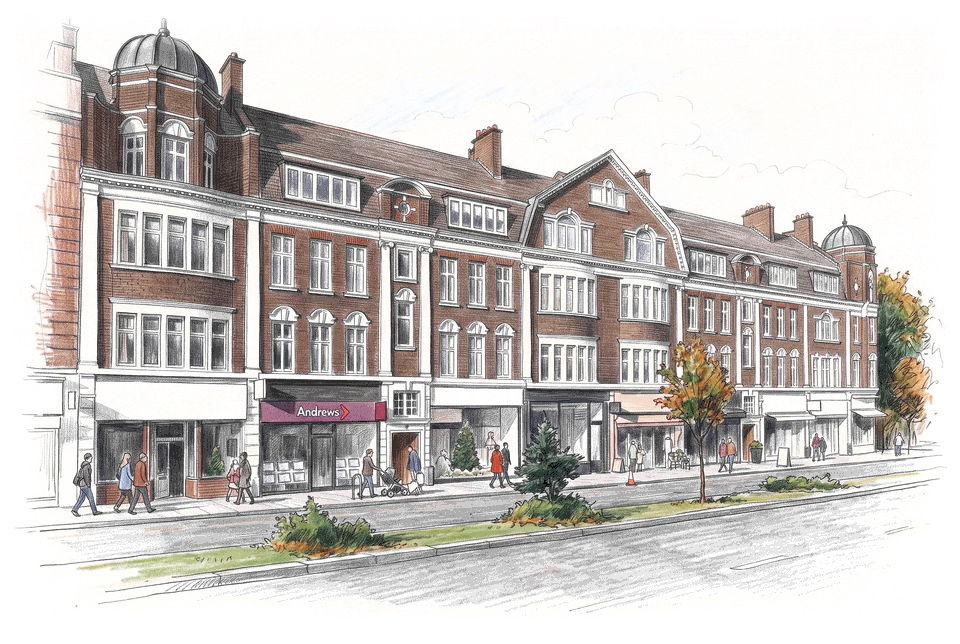
Streatham Hill & Streatham Common, off Streatham High Road, asks about the same. Paying that alone at 35% of take-home pay takes about £84,000.
That is the uncomfortable part, and it is better said early. On one salary under £60,000, no London area's typical 1-bed fits. Below: where the line falls for your pay, why it moves so fast between £60,000 and £80,000, and what a second salary or a plainer flat buys.
1The rule we use
Plan on 30% of take-home pay and stretch to 35% only for the right flat; that is our rule, not a law.
- take-home a month on £50,000
- £3,293
- the most of it we'd put on rent
- 35%
- a month of bills for a 1-bed
- £296–£428
Take-home pay is what reaches your account after income tax and National Insurance, so it is the figure to work from. On £50,000, about a fifth of your pay goes before you see it.
On £50,000, about a fifth of your pay goes before you see it.
Where a £50,000 salary goes before rent, a month
| Pay before tax | £4,167 |
|---|---|
| Income tax20% of pay above £12,570 a year | -£624 |
| National Insurance8% of pay above £12,570 a year | -£250 |
| Take-home pay30% is £988 · 35% is £1,153 | £3,293 |
At 35%, a £50,000 salary leaves £2,140 a month for everything else. Bills for a 1-bed take £296 to £428 of it, before food, travel or a Friday night. That leaves £1,712 to £1,844 for everything else, about £57 to £61 a day.
2What each salary pays
The 35% ceiling for common salaries, with the 30% figure beside it.
Rent at 35% passes £1,300 a month only from £60,000.
The most to spend on rent at 35% of take-home pay, by salary
| £30,000take-home £2,093 · 30% is £628 | £733 |
|---|---|
| £40,000take-home £2,693 · 30% is £808 | £943 |
| £50,000take-home £3,293 · 30% is £988 | £1,153 |
| £60,000take-home £3,780 · 30% is £1,134 | £1,323 |
| £70,000take-home £4,263 · 30% is £1,279 | £1,492 |
| £80,000take-home £4,746 · 30% is £1,424 | £1,661 |
| £100,000take-home £5,713 · 30% is £1,714 | £2,000 |
Pensions and student loans come out before your take-home pay, so if you pay either, read from your payslip instead of this table. In Scotland the tax bands differ and so does the answer.
Your salary is not on the table, or you pay a student loan or pension? The calculator opens on the same £50,000 as the table, so type your own.
What does your salary pay each month?
£3,293a month after tax and National Insurance
A worked example for £50,000 in England, with no student loan or pension. Turn on JavaScript to type your own.
Income tax and National Insurance for 2026 to 2027 from GOV.UK; pension taken before tax, as with salary sacrifice. A guide, not a landlord's test: agents run their own checks.
3The £60,000 cliff
Between £60,000 and £80,000 a year, the London you can rent alone goes from nothing to 218 areas.
On £60,000, 35% of take-home pay is £1,323. The cheapest typical 1-beds in Citycomb's areas ask £1,325, two pounds more, and both rest on very few listings. So treat £60,000 as the point where the first areas appear, give or take a few pounds.
The jump has a plain cause. London's rents bunch: 222 areas ask between £1,400 and £1,699 for their typical 1-bed. Between £60,000 and £80,000, each extra £2,500 of salary adds about £42 a month to your 35% figure, and £42 can cross dozens of areas at once.
On £70,000 you reach 61 areas, most of them in zones 5 and 6. The nearest to Bank are Woodside, 45 minutes away, and Broad Green at 46. On £80,000 the count is 218, more than two areas in every five.
4Two salaries, one flat
Two people on £40,000 each can rent more of London than one person on £80,000.
- take-home for two on £40,000 each
- £5,387
- areas whose typical 1-bed they can rent
- 303
- one salary needed to match them
- £93,200
Each of them gets their own £12,570 tax-free allowance and their own 20% band, so together they take home £5,387 a month against £4,746 for the single £80,000 salary. At 35% that is £1,885 for rent against £1,661, and 303 areas against 218. One salary would have to reach about £93,200 to match them.
The same pair as flatmates does worse, because flatmates need a 2-bed. Splitting £1,885 between them reaches 103 areas' typical 2-bed.
How far does your salary reach?
218areas have a typical 1-bed at or under £1,661 a month
- Take-home a month
- £4,746
- Rent at 35%
- £1,661
Quickest to Bank: Forest Gate (£1,550, 36 min), Grove Park (£1,575, 38 min), Seven Kings (£1,525, 40 min).
See them on the mapA worked example for one salary of £80,000 in England. Turn on JavaScript to type your own.
An area counts when its typical asking rent (Mid finish) is at or under the rent; areas with no figure never count. Journey times are total journey times for a 09:00 arrival at the place you pick. Take-home pay has no student loan or pension. A guide, not a landlord's test: agents run their own checks.
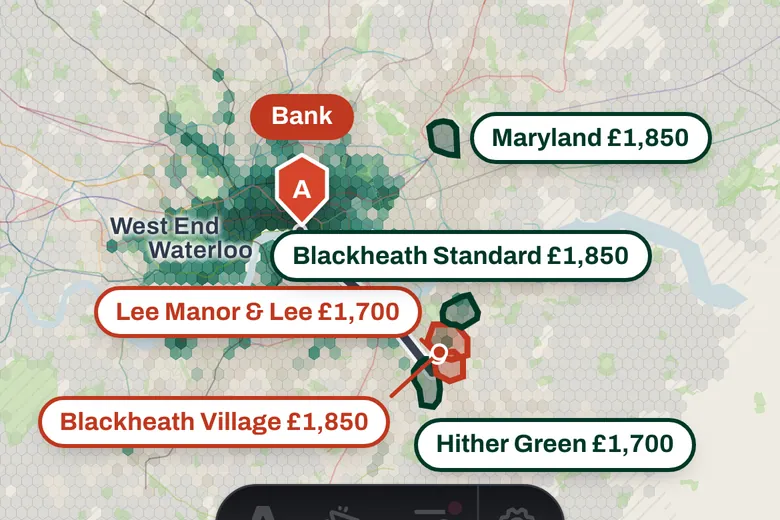
For a couple on £40,000 each who want to be near the City, Hither Green asks about £1,700 for its typical 1-bed and is 28 minutes from Bank. Lee Manor & Lee asks the same at 35 minutes, though on only four listings. Blackheath Village asks about £1,850, with the heath on its doorstep and 34 minutes to Bank, and Maryland, by Stratford, is about £1,850 at 34.
5If nothing fits yet
Three things move the line: a longer trip, a plainer flat and a shared one.
Time is the biggest. Among areas within 30 minutes of Bank, the middle typical 1-bed asks £2,800; between 46 and 60 minutes, £1,700.
A plainer flat is the second. Our typical figure is for an updated flat, one that is clean, sound and well kept. Accept a tired or cramped one (our Basic finish) and £70,000 reaches 209 areas instead of 61. We'd look hard at those before adding another half hour to every journey: a tired kitchen is easier to live with than a 75-minute trip.
The third is a room in a shared flat, which for most salaries under £60,000 is where the search really starts.
6Try it on the map
The table gives a ceiling; the map shows what that ceiling reaches from your own front door to your own desk.
Open it with Bank as the desk, 1-beds up to £1,850 and a 35-minute limit, which is the couple on £40,000 each. Then set the budget to your own 35% figure, rounded down to the nearest £50, and move the pin to your office.
A couple on £40,000 each can live 35 minutes from Bank.
Five areas within 35 minutes of Bank where a couple on £40,000 each can rent a 1-bed
What else do people ask?
How much rent can I afford on £30,000 in London?
£30,000 leaves £2,093 a month after tax and National Insurance, so 30 to 35% is £628 to £733. No London area's typical 1-bed is that low, so on one salary of £30,000 the realistic answer is a room in a shared flat.
How much rent can I afford on £40,000 in London?
£40,000 takes home £2,693 a month, so £808 to £943 for rent at 30 to 35%. That is below every area's typical 1-bed (the cheapest is £1,325). Two people on £40,000 each have £5,387 between them and can put up to £1,885 on rent, which reaches 303 areas.
How much rent can I afford on £50,000?
£50,000 takes home £3,293 a month, so £988 to £1,153 for rent. That is below every area's typical 1-bed. Two people on £50,000 each could put up to £2,305 towards a 1-bed together.
How much rent can I afford on £60,000?
£60,000 takes home £3,780 a month, so £1,134 to £1,323 for rent at 30 to 35%. The cheapest typical 1-beds ask £1,325, so this is the point where the first areas just come into reach. £70,000 reaches 61 areas.
What salary do I need to rent a 1-bed in London alone?
About £60,100 for the cheapest areas' typical 1-bed (£1,325) and about £84,000 for the middle area's (£1,725), keeping rent to 35% of take-home pay. At 30%, those become about £73,200 and £101,200.
Is the 30% rule right for London?
It is a sound target. We'd treat 35% as the ceiling: above it, bills (£296 to £428 a month for a 1-bed) and travel start crowding out everything else.
How much money do I need to move in?
Usually the first month's rent plus a deposit. A deposit is capped at 5 weeks' rent when the yearly rent is under £50,000, so £1,990 on a £1,725 flat, or £3,715 with the first month.
What will a letting agent check?
Expect to show references and proof of income, such as payslips or bank statements, before you sign. Citizens Advice lists what landlords can ask for.
How did we work this out?
The figures, their dates and sources
Take-home pay is for England in the 2026 to 2027 tax year: Personal Allowance £12,570, income tax at 20% up to £50,270 and 40% above, employee National Insurance at 8% from £12,570 to £50,270 and 2% above (GOV.UK). It assumes no pension, student loan or other deductions; any of those lowers it. Scottish income tax bands differ.
The 30 to 35% of take-home pay is Citycomb's own rule of thumb, not a law or a lender's test.
Rents are Citycomb's typical asking rent for a 1-bed in each of the areas, from public listings read in October 2026, unrounded. "Typical" is the usual asking rent for an updated flat (our Mid finish: clean, sound and well kept); Basic is the figure for tired or cramped flats. An area fits a salary when its typical 1-bed is at or under 35% of the monthly take-home pay. The middle area is the median of the areas' figures, £1,725. Some figures rest on very few listings, including the two cheapest areas, at £1,325.
The salary needed for a rent is our arithmetic, solving the 2026 to 2027 take-home pay for the rent divided by 0.35. Journey times are total journey time to Bank for a weekday 09:00 arrival, on TfL timetables as loaded in the app. Bills are from Citycomb's bills guide. The deposit cap is from the Tenant Fees Act 2019 guidance.
Where do these figures come from?
- GOV.UK: Tax rates and Personal Allowances (2026 to 2027), 8 November 2026
- GOV.UK: National Insurance rates and categories (2026 to 2027), 8 November 2026
- GOV.UK: Tenant Fees Act 2019, guidance for tenants (updated 07/07/2026), 8 November 2026
- Citizens Advice: Information landlords ask for when you start renting (references, bank statements), 8 November 2026
- Citycomb: bills for a London flat (energy, water, council tax and licence, with its own sources), 8 November 2026
- Citycomb: typical asking rents from public listings, 8 November 2026