Where to rent in London for your budget
- Work out what you can afford
- Pick a budget and a size of home
- See every area that fits, with its commute
Where to rent in London depends on your budget and the size of home. A 1-bed at £1,600 a month fits 178 areas and at £2,000 it fits 339, while a studio under £1,200 fits 40. Pick a budget below, or compare rents zone by zone.
Pick a monthly budget and a size of home to see which areas of London fit it, how long the journey to Bank and Canary Wharf takes, and what each area is like. The first half of this page works out what you can afford.
Written for: Anyone choosing where to rent in London who has a monthly budget but not yet an area, whether alone or as a couple.
Figures checked October 2026. How the figures are worked out
How much rent can I afford in London?
A common rule of thumb is to spend 30% to 35% of your take-home pay on rent, so a rent of £1,600 a month means taking home about £4,570 to £5,330 a month.
It is a guide and not a rule. Rent comes on top of council tax, energy, water, broadband and travel, and what counts as comfortable depends on your other costs. Start from your take-home pay each month, divide by three to get the upper end of a 33% share, and then use the table to find the budget row that fits.
| Rent a month | Take-home pay at 35% | Take-home pay at 30% | Deposit cap (5 weeks) | Holding deposit cap (1 week) |
|---|---|---|---|---|
| £1,200 | £3,430 | £4,000 | £1,385 | £277 |
| £1,400 | £4,000 | £4,670 | £1,615 | £323 |
| £1,600 | £4,570 | £5,330 | £1,846 | £369 |
| £1,800 | £5,140 | £6,000 | £2,077 | £415 |
| £2,000 | £5,710 | £6,670 | £2,308 | £462 |
| £2,250 | £6,430 | £7,500 | £2,596 | £519 |
| £2,500 | £7,140 | £8,330 | £2,885 | £577 |
| £3,000 | £8,570 | £10,000 | £3,462 | £692 |
Our arithmetic from the rent shown: take-home pay is the rent divided by 0.35 and by 0.30, to the nearest £10. Deposit caps use the rent for 52 weeks divided into weeks.
How much deposit will I be asked for?
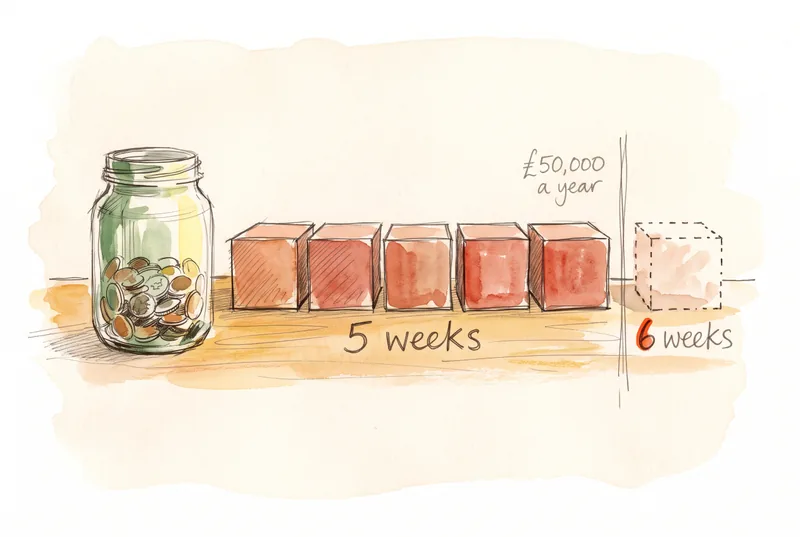
When the annual rent is under £50,000 a landlord can ask for no more than 5 weeks' rent as a deposit, and for a holding deposit of no more than 1 week's rent.
Between £50,000 and £100,000 of annual rent the cap is 6 weeks. Every budget on these pages is under £50,000 a year, so the 5-week figures in the table apply. This comes from the GOV.UK guidance for tenants on the Tenant Fees Act 2019, last updated on 07/07/2026 and read on 31/10/2026. Read the current guidance before you pay anything, because the rules for tenants change.
What about London Living Rent?
London Living Rent is a separate scheme for particular homes, with its own rules, and none of the figures on these pages include it.
If you want to find out whether you could rent through it, start with the Greater London Authority page on London Living Rent. We have not used it to set any figure here.
Where can I afford to rent in London?
A budget of £1,400 a month fits 14 areas for a 1-bed flat, and £3,000 fits 475; the table shows every size.
| Budget a month | Studio | 1-bed | 2-bed | 3-bed |
|---|---|---|---|---|
| £1,200 | 40 areas | — | — | — |
| £1,400 | 234 areas | 14 areas | — | — |
| £1,600 | 326 areas | 178 areas | 2 areas | — |
| £1,800 | 383 areas | 279 areas | 44 areas | — |
| £2,000 | 424 areas | 339 areas | 182 areas | 3 areas |
| £2,250 | 454 areas | 404 areas | 277 areas | 68 areas |
| £2,500 | 478 areas | 433 areas | 333 areas | 202 areas |
| £3,000 | 491 areas | 475 areas | 412 areas | 315 areas |
Counts are of areas, from the typical rent for that size of home (the area's asking rent at an updated (Mid) finish, or the borough's ONS average where there is no area figure). A count is a link when there is a page for that budget and size; a dash means no area fits.
The counts grow quickly as the budget rises, but they grow more slowly for bigger homes, because each extra bedroom adds to the rent. If your search is for a studio or a 2-bed, open that column's pages and compare the rows. If you have a workplace in mind, set it on the map too and the same budget will narrow further.
How much is rent in each zone of London?
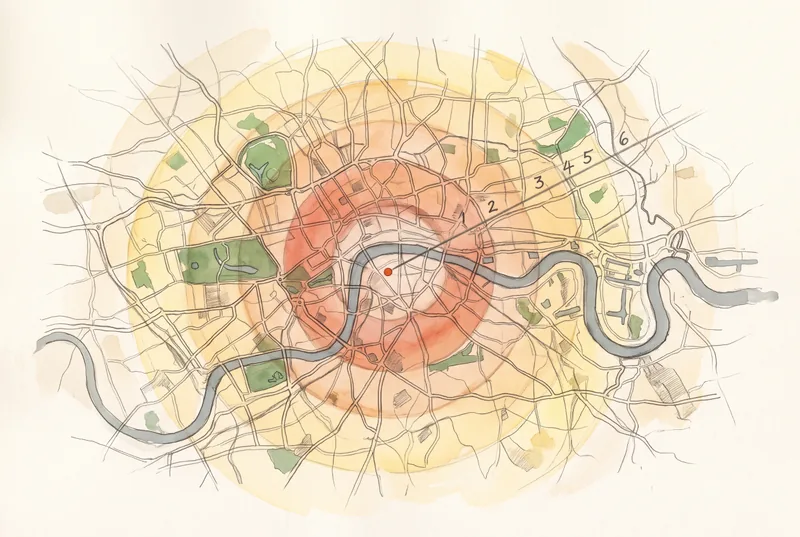
The typical 1-bed rent runs from £1,500 to £3,075 a month between the cheapest and the dearest of zones 1 to 6.
| Zone | Areas | Typical 1-bed | Typical 2-bed | Middle journey to Bank |
|---|---|---|---|---|
| Zone 1 rent | 37 | £3,075 | £4,013 | 31 min |
| Zone 2 rent | 99 | £2,300 | £2,938 | 39 min |
| Zone 3 rent | 93 | £1,900 | £2,350 | 47 min |
| Zone 4 rent | 98 | £1,625 | £2,025 | 57 min |
| Zone 5 rent | 85 | £1,550 | £1,925 | 63 min |
| Zone 6 rent | 66 | £1,500 | £1,875 | 67 min |
Middle figures across the areas whose nearest station is in the zone. Open a zone for rents by size, the cheapest areas and how it compares with the next zone.
Which budget page should I open?
Open the page for the monthly rent you can afford and the size of home you need; each lists the areas that fit with commutes and what each is like.
Any flat
£1,400 to £3,000 a month
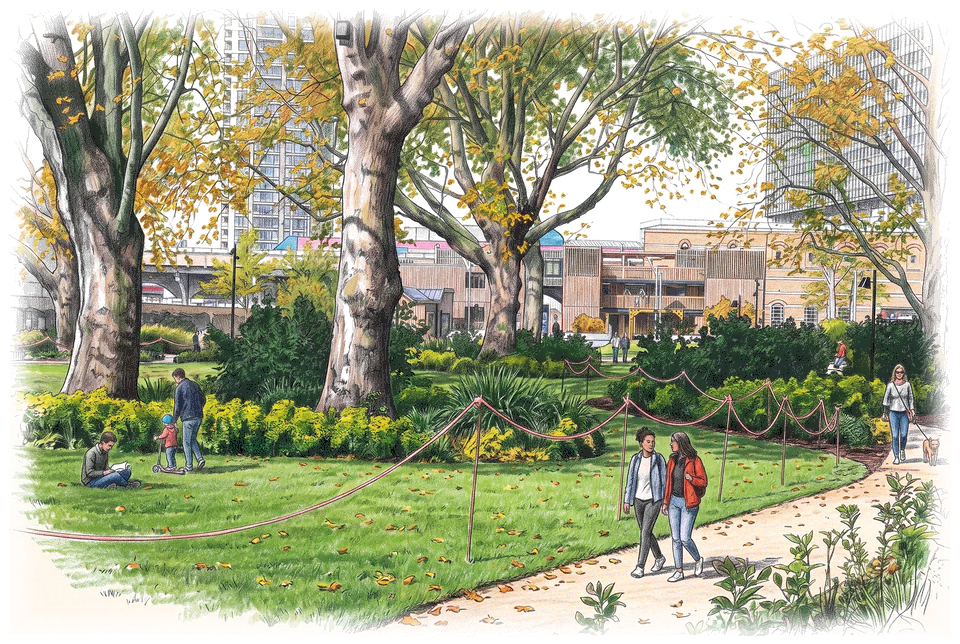
- where to rent in London under £1,400

14 areas1-bed
Kenley Common14 areas have a typical 1-bed rent at or below that. See rents by size, journeys to Bank and Canary Wharf, zones and feel. - where to rent in London under £1,600
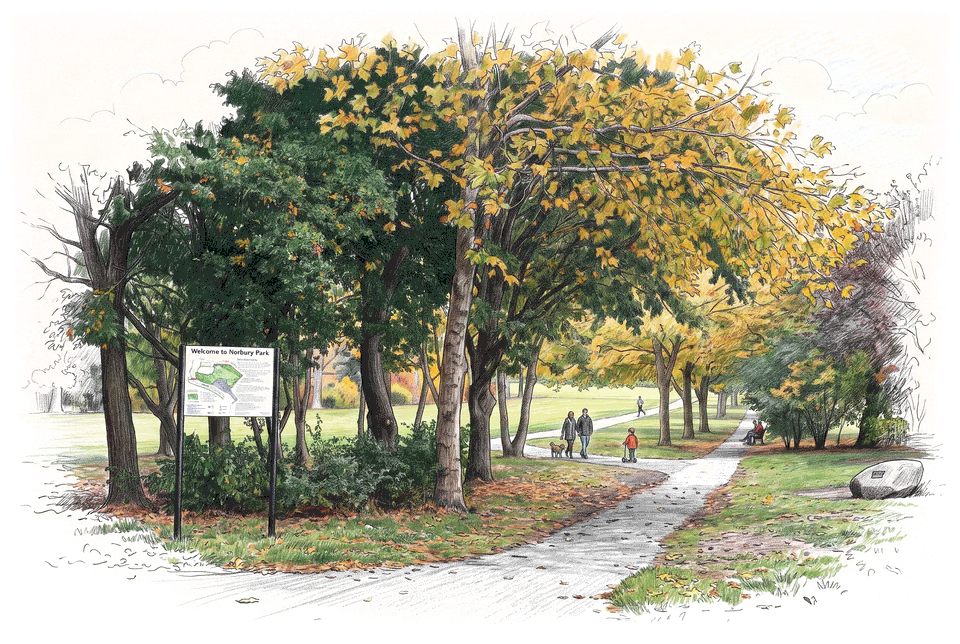
178 areas1-bed
Norbury Park178 areas have a typical 1-bed rent at or below that. With rents by size, Bank and Canary Wharf journeys, zones and feel. - where to rent in London under £1,800
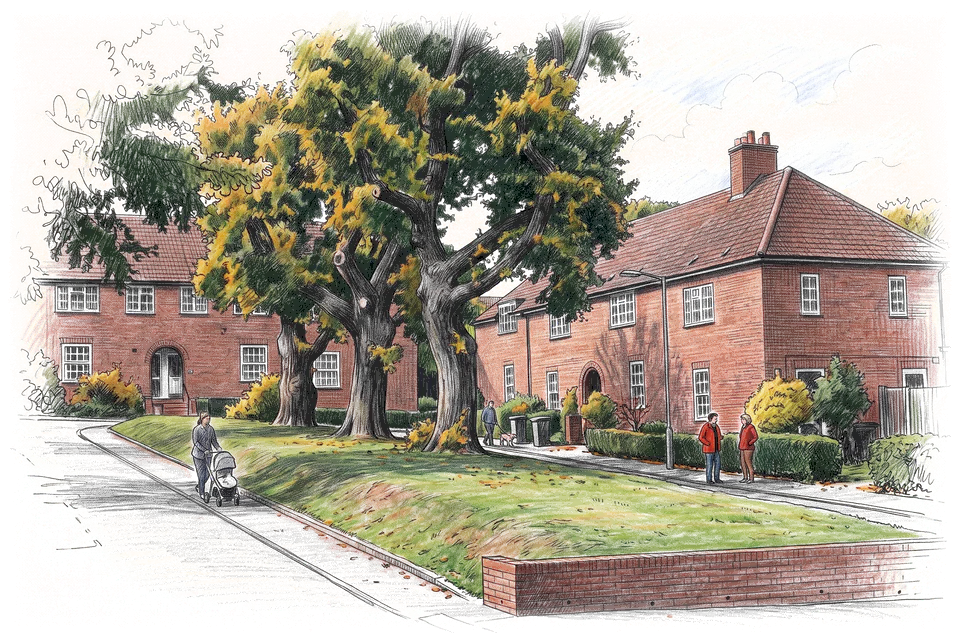
279 areas1-bed
Baring Road, Grove Park279 areas have a typical 1-bed rent at or below that. With rents by size, Bank and Canary Wharf journeys, zones and feel. - where to rent in London under £2,000
339 areas1-bed
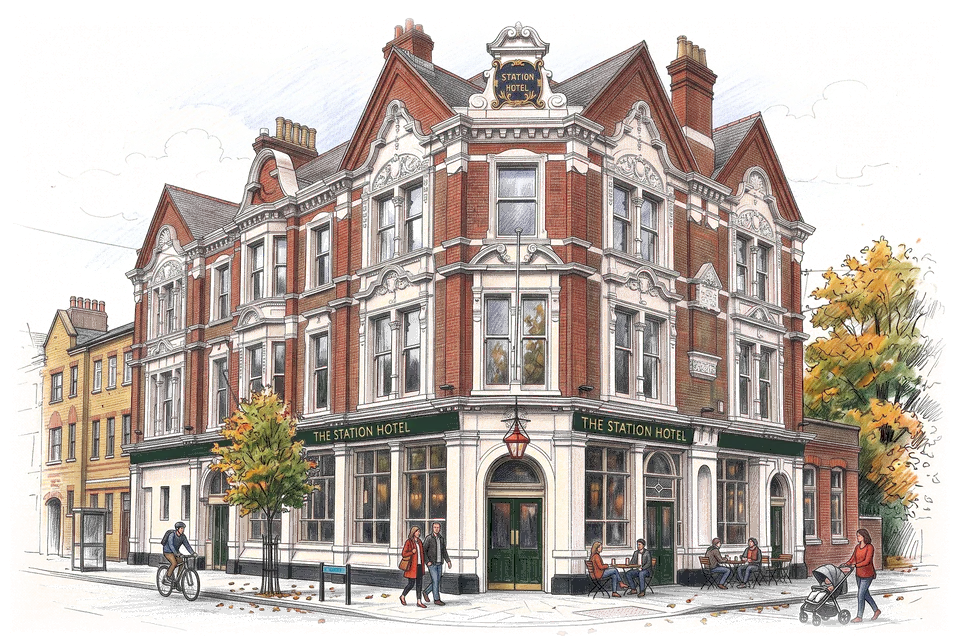
Station Hotel, Staplehurst Road, Hither Green339 areas have a typical 1-bed rent at or below that. With rents by size, Bank and Canary Wharf journeys, zones and feel. - where to rent in London under £2,250
404 areas1-bed
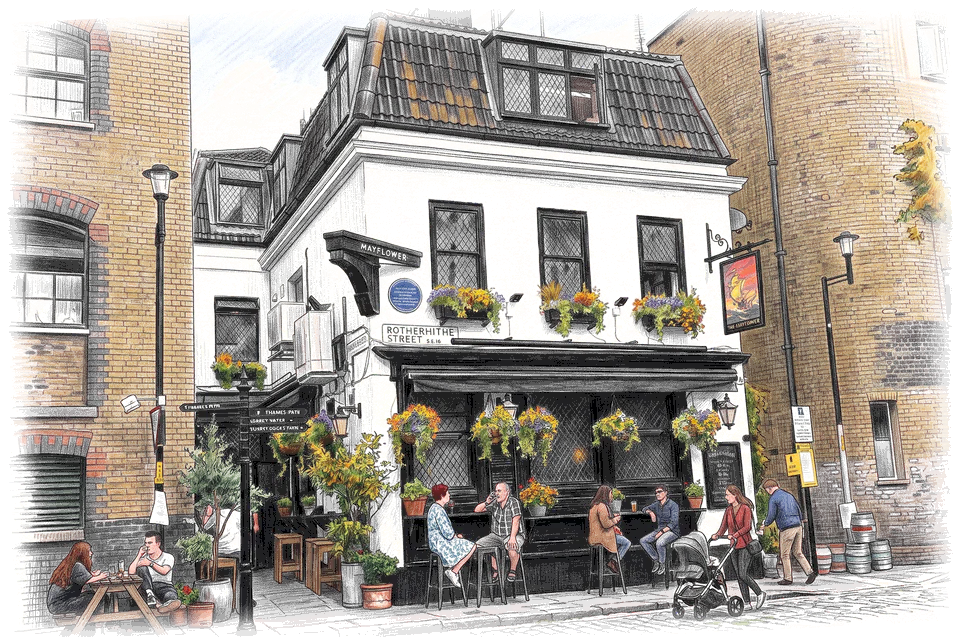
Rotherhithe Street, Rotherhithe Village404 areas have a typical 1-bed rent at or below that. With rents by size, Bank and Canary Wharf journeys, zones and feel. - where to rent in London under £2,500
433 areas1-bed
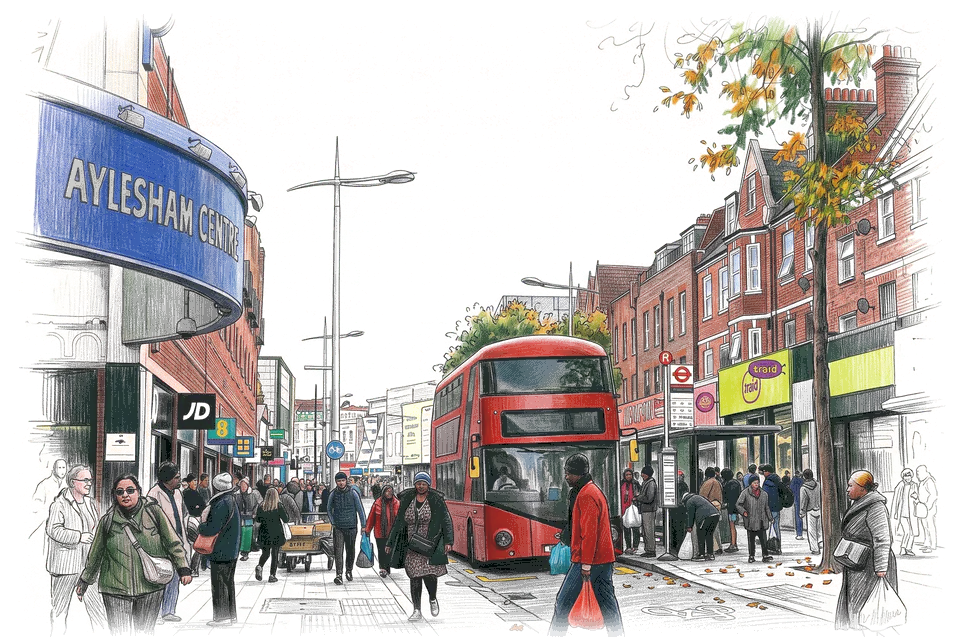
Rye Lane, Peckham, by the Aylesham Centre433 areas have a typical 1-bed rent at or below that. With rents by size, Bank and Canary Wharf journeys, zones and feel. - where to rent in London under £3,000

475 areas1-bed
St George in the East, Cannon Street Road475 areas have a typical 1-bed rent at or below that. With rents by size, Bank and Canary Wharf journeys, zones and feel.
Studio
£1,200 to £2,500 a month
- renting a studio in London under £1,200
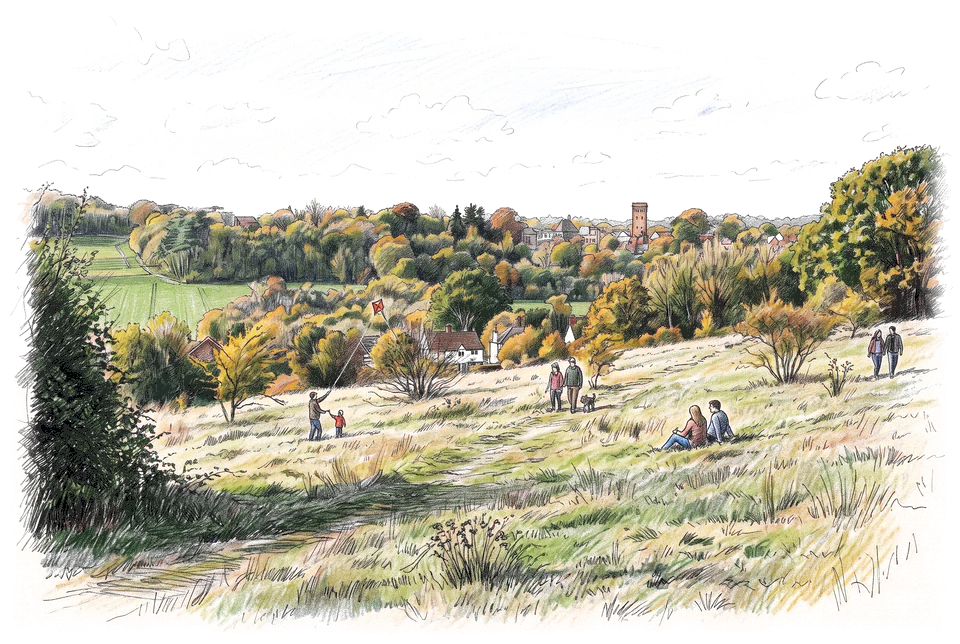
40 areasStudio
Farthing Downs, Coulsdon40 areas have a typical studio rent at or below that. Rents by size, Bank and Canary Wharf journeys and zones. - renting a studio in London under £1,400
234 areasStudio
Woodside Green234 areas have a typical studio rent at or below that. Rents by size, Bank and Canary Wharf journeys and zones. - renting a studio in London under £1,600
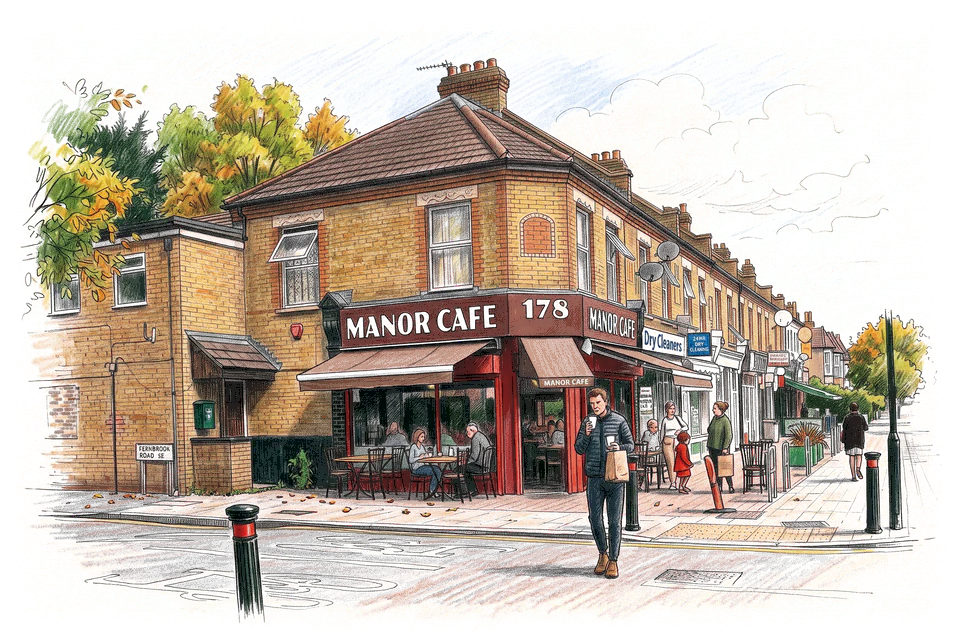
326 areasStudio
Manor Lane, Lee Manor & Lee326 areas have a typical studio rent at or below that. Rents by size, Bank and Canary Wharf journeys and zones. - renting a studio in London under £1,800
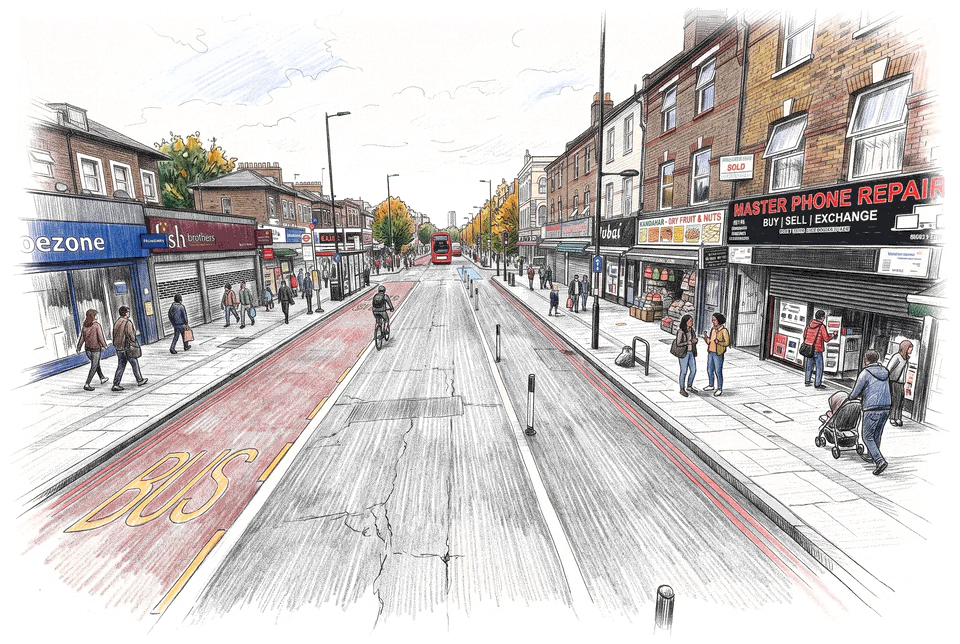
383 areasStudio
Holloway Road383 areas have a typical studio rent at or below that. Rents by size, Bank and Canary Wharf journeys and zones. - renting a studio in London under £2,000
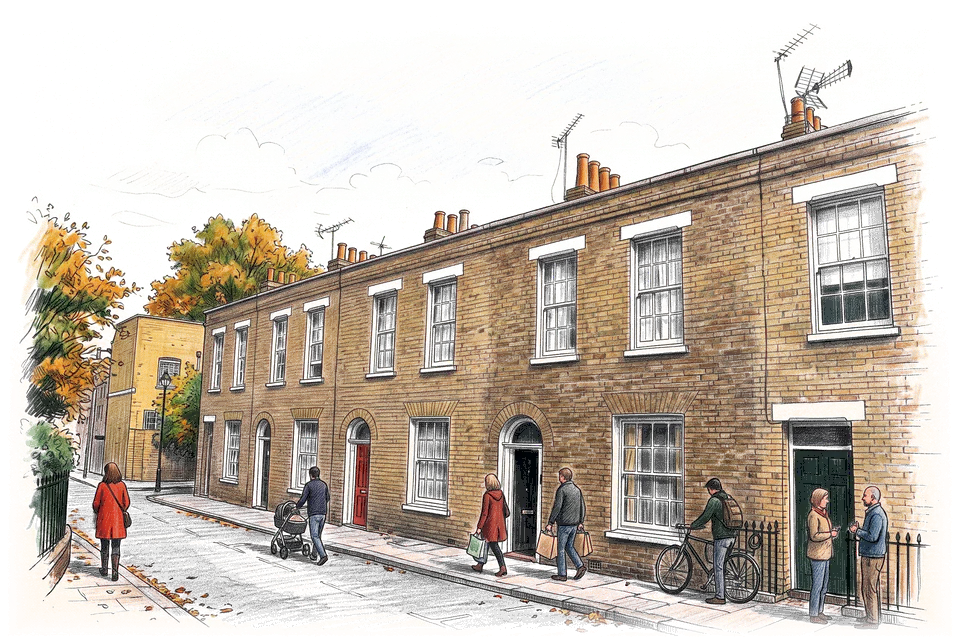
424 areasStudio
Flamborough Street, Limehouse424 areas have a typical studio rent at or below that. Rents by size, Bank and Canary Wharf journeys and zones. - renting a studio in London under £2,250
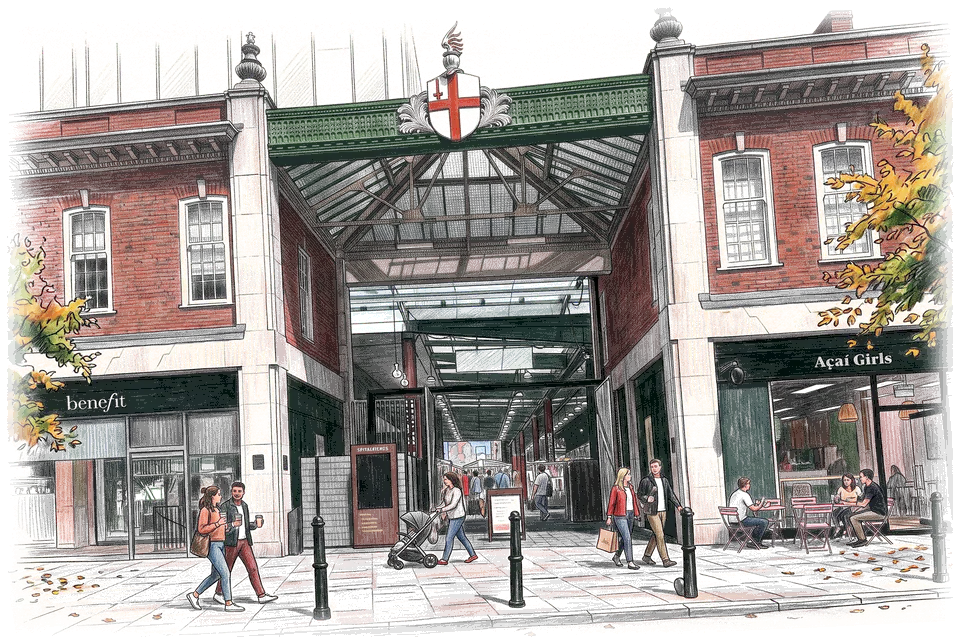
454 areasStudio
Old Spitalfields Market, Whitechapel454 areas have a typical studio rent at or below that. Rents by size, Bank and Canary Wharf journeys and zones. - renting a studio in London under £2,500
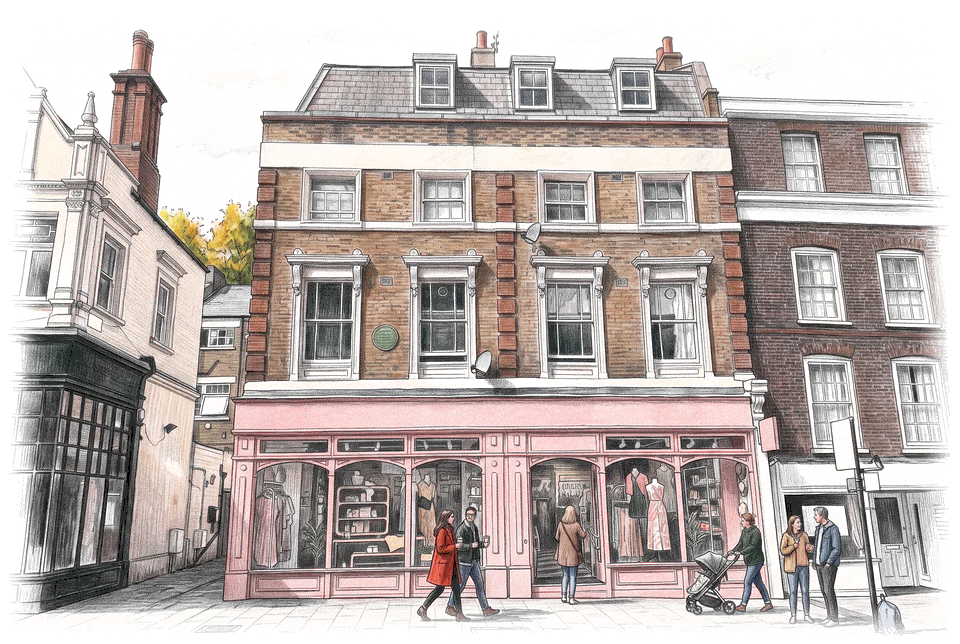
478 areasStudio
Upper Street, Angel478 areas have a typical studio rent at or below that. Rents by size, Bank and Canary Wharf journeys and zones.
2-bed
£1,800 to £3,000 a month
- renting a 2-bed in London under £1,800

44 areas2-bed
Avery Hill Park44 areas have a typical 2-bed rent at or below that. Rents by size, Bank and Canary Wharf journeys and zones. - renting a 2-bed in London under £2,000
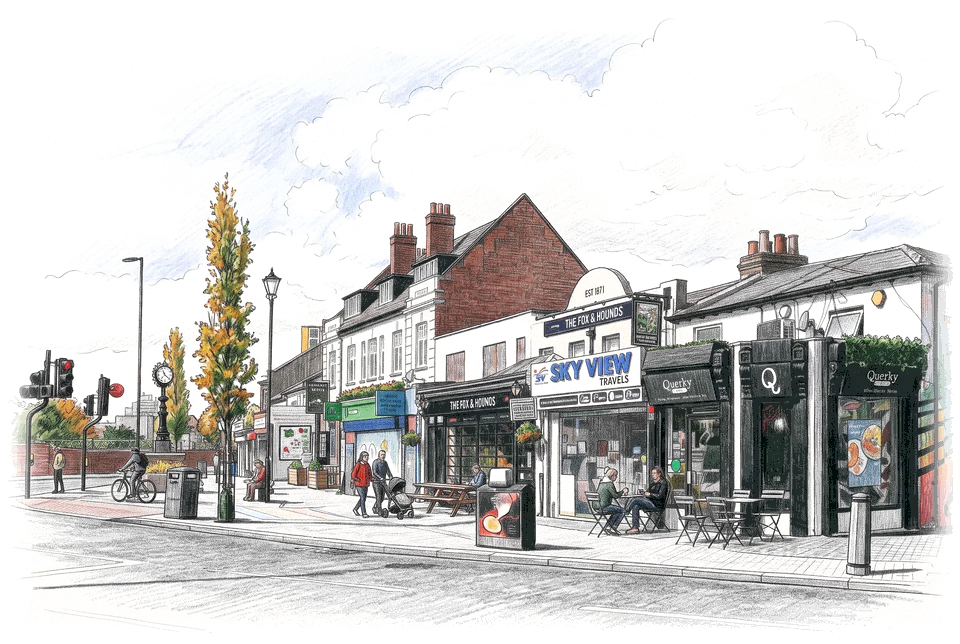
182 areas2-bed
Forest Lane, Forest Gate182 areas have a typical 2-bed rent at or below that. Rents by size, Bank and Canary Wharf journeys and zones. - renting a 2-bed in London under £2,250
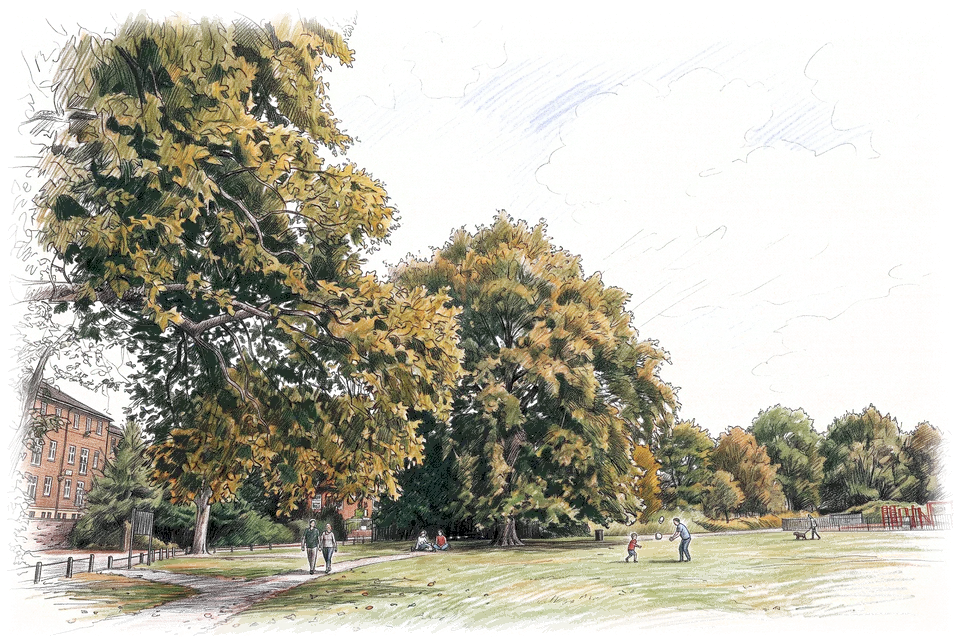
277 areas2-bed
Wandle Park, Colliers Wood277 areas have a typical 2-bed rent at or below that. Rents by size, Bank and Canary Wharf journeys and zones. - renting a 2-bed in London under £2,500
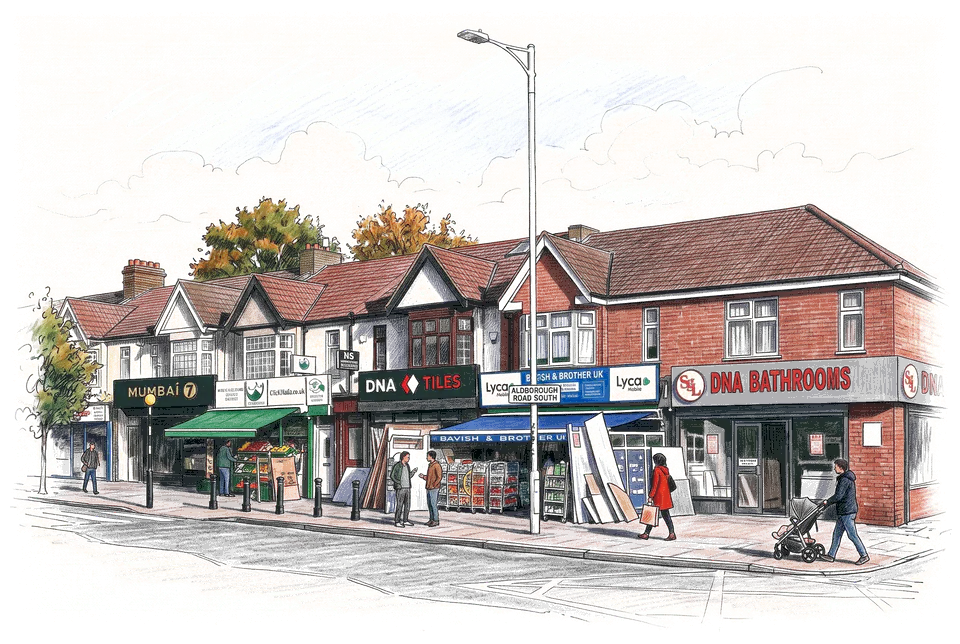
333 areas2-bed
Aldborough Road South, Seven Kings333 areas have a typical 2-bed rent at or below that. Rents by size, Bank and Canary Wharf journeys and zones. - renting a 2-bed in London under £3,000

412 areas2-bed
Russia Dock, Surrey Quays & Greenland Dock412 areas have a typical 2-bed rent at or below that. Rents by size, Bank and Canary Wharf journeys and zones.
3-bed
£2,250 to £3,000 a month
- renting a 3-bed in London under £2,250
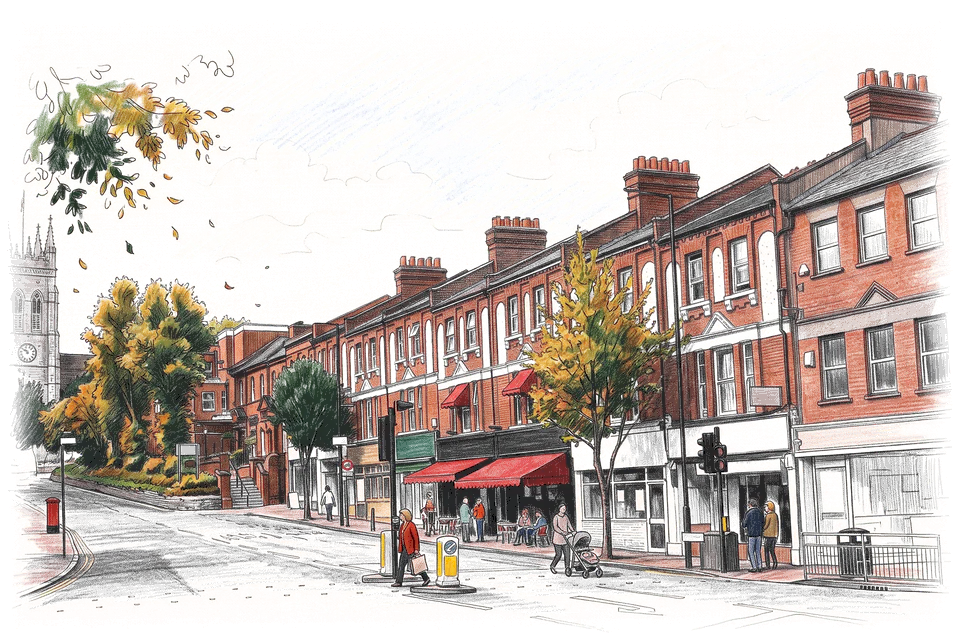
68 areas3-bed
Beckenham High Street, Beckenham68 areas have a typical 3-bed rent at or below that. Rents by size, Bank and Canary Wharf journeys and zones. - renting a 3-bed in London under £2,500

202 areas3-bed
Charlton Park202 areas have a typical 3-bed rent at or below that. Rents by size, Bank and Canary Wharf journeys and zones. - renting a 3-bed in London under £3,000
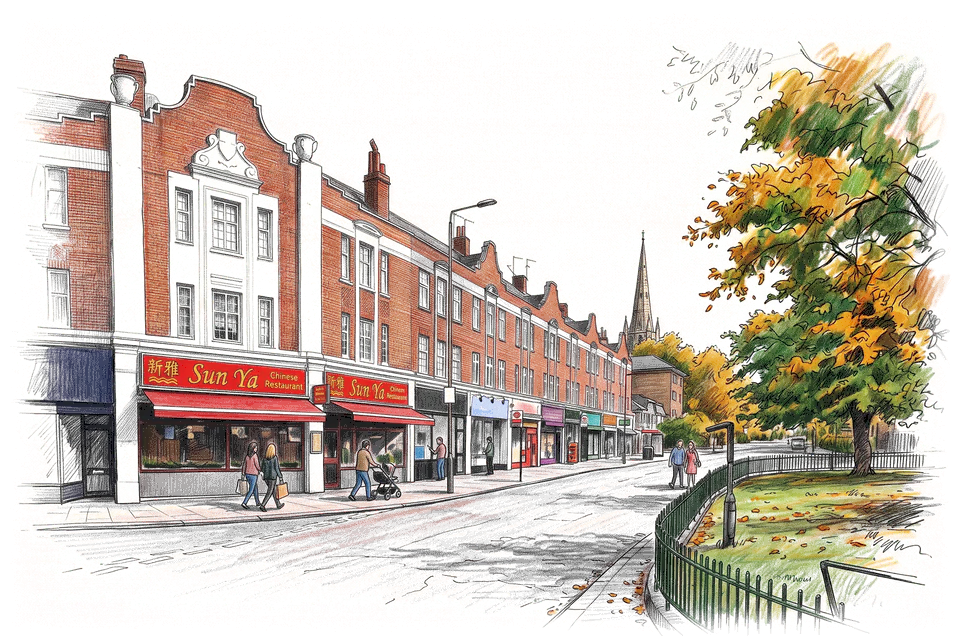
315 areas3-bed
Stratheden Parade, Blackheath315 areas have a typical 3-bed rent at or below that. Rents by size, Bank and Canary Wharf journeys and zones.
By zone
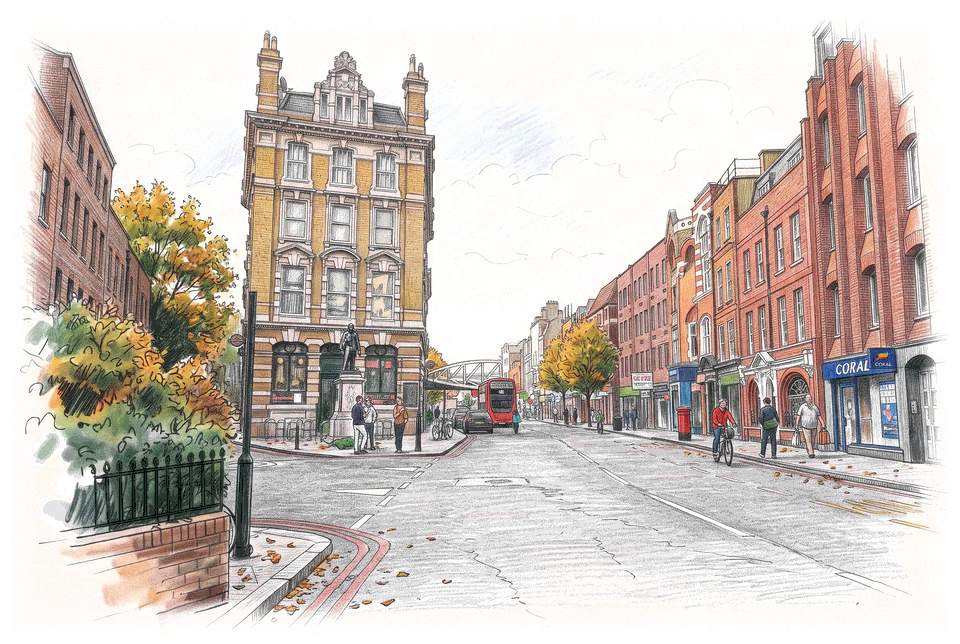
- rent in zone 1 of London

37 areas
Columbia Road, ShoreditchA 1-bed is typically £3,075 a month across 37 areas. Rents by size, the cheapest areas, Bank journeys and how zone 1 compares. - rent in zone 2 of London

103 areas
Brixton VillageA 1-bed is typically £2,300 a month across 103 areas. Rents by size, the cheapest areas, Bank journeys and how zone 2 compares. - rent in zone 3 of London
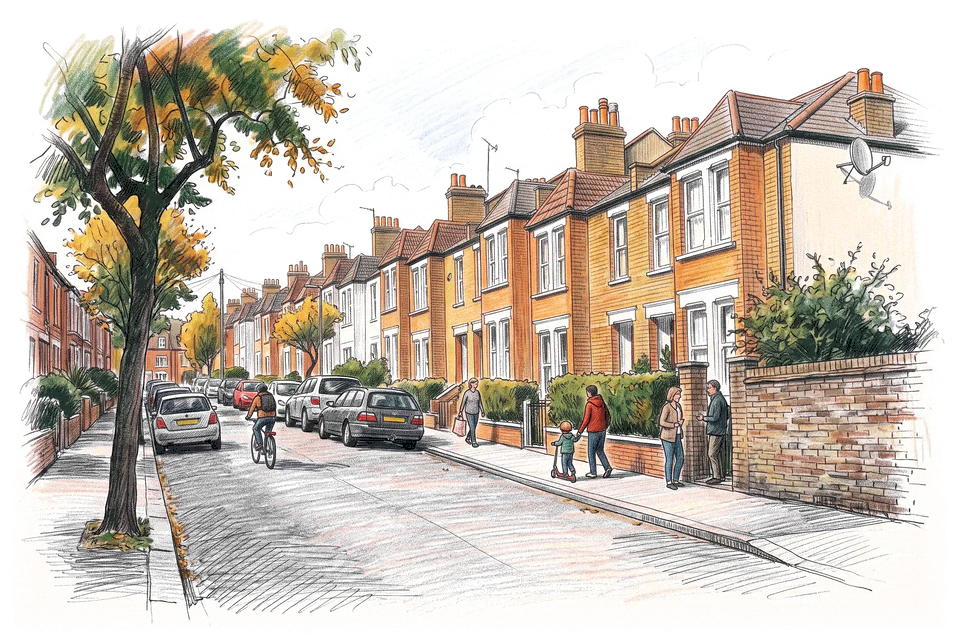
89 areas
Francemary Road, LadywellA 1-bed is typically £1,900 a month across 89 areas. Rents by size, the cheapest areas, Bank journeys and how zone 3 compares. - rent in zone 4 of London
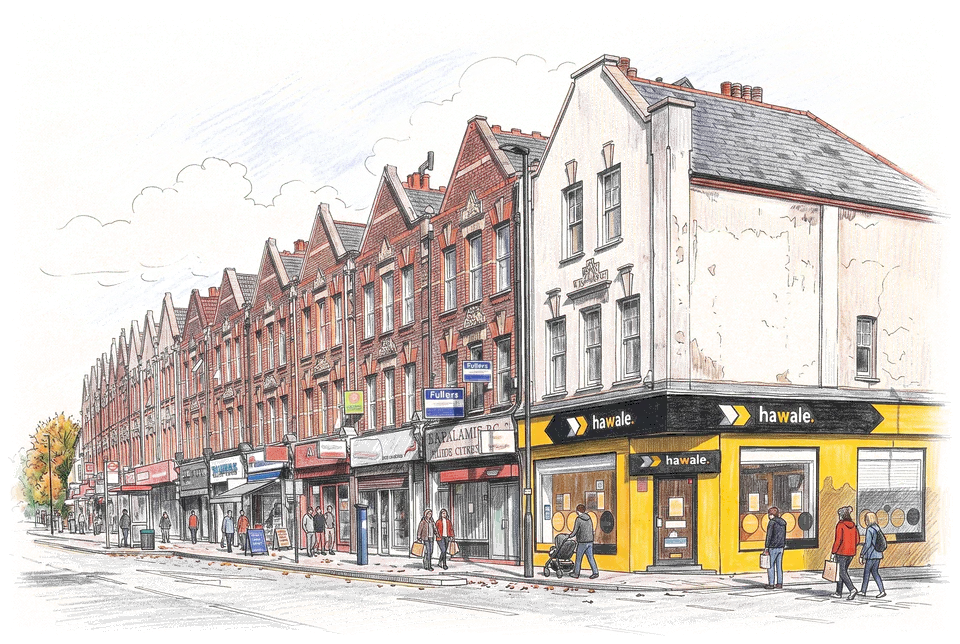
98 areas
Green Lanes, Palmers GreenA 1-bed is typically £1,625 a month across 98 areas. Rents by size, the cheapest areas, Bank journeys and how zone 4 compares. - rent in zone 5 of London

85 areas
Northala Fields, NortholtA 1-bed is typically £1,550 a month across 85 areas. Rents by size, the cheapest areas, Bank journeys and how zone 5 compares. - rent in zone 6 of London
66 areas
Kenley CommonA 1-bed is typically £1,500 a month across 66 areas. Rents by size, the cheapest areas, Bank journeys and how zone 6 compares.

What else do people ask?
Where is the cheapest rent in London?
On the 1-bed figures the lowest typical rent is £1,325 a month in Hockenden, Bromley. By zone, the lowest typical 1-bed rent is in zone 6 at £1,500. The rent by budget pages below list more.
How much should I pay for rent in London?
A common rule of thumb is 30% to 35% of your take-home pay. The typical 1-bed rent across London areas is £1,725 a month, which that rule puts at a take-home pay of about £4,930 to £5,750.
What salary do you need to rent in London?
Work from take-home pay, not salary. A rent of £1,600 a month is 30% to 35% of about £4,570 to £5,330 a month taken home. What salary that needs depends on your tax and deductions.
Is the rent on these pages the rent I will pay?
It is a guide to what the area usually asks for that size of home, not a quote. Individual homes cost more or less, so check the rent, what it includes and the deposit with the landlord or agent before you apply.
Do these budgets include bills?
No. Each budget is the rent for the home. Council tax, energy, water and broadband usually come on top unless the advert says they are included.
Where do the borough figures come from?
When a build has no area figure, the page shows the borough average from the ONS Price Index of Private Rents, marked with an asterisk. The index covers existing tenancies as well as newly advertised lets (read 31/10/2026).
How did we work this out?
The figures, their dates and sources
The counts come from the typical rent of each London area, taken as Citycomb's asking rent for an updated (Mid) finish, or the ONS borough average where an area has none. An area counts for a budget when its typical rent for that size is at or under it. The take-home figures are our arithmetic: the rent divided by 0.35 and by 0.30, to the nearest £10.
Where do these figures come from?
- Citycomb area asking rents (Mid finish: updated, well kept), 7 October 2026
- ONS Price Index of Private Rents, August 2026, Open Government Licence, 31 October 2026
- TfL timetables via the Citycomb journey network, 31 October 2026
- GOV.UK: Tenant Fees Act 2019 guidance for tenants, 31 October 2026